Save up to €45 in queue time
- Priority access
- Skip the queue
- Free cancellation up to 24h
Omaha Beach — D-Day Landing Tours & Guided Experiences
Where the tide withdrew, history remained
Compare fares, pick the fit — all bookings are mobile-voucher and eligible for free cancellation where shown.
Save up to €45 in queue time
Save €25 vs gate
Duration · 2 hr
Hand-picked experiences loved by thousands of travelers
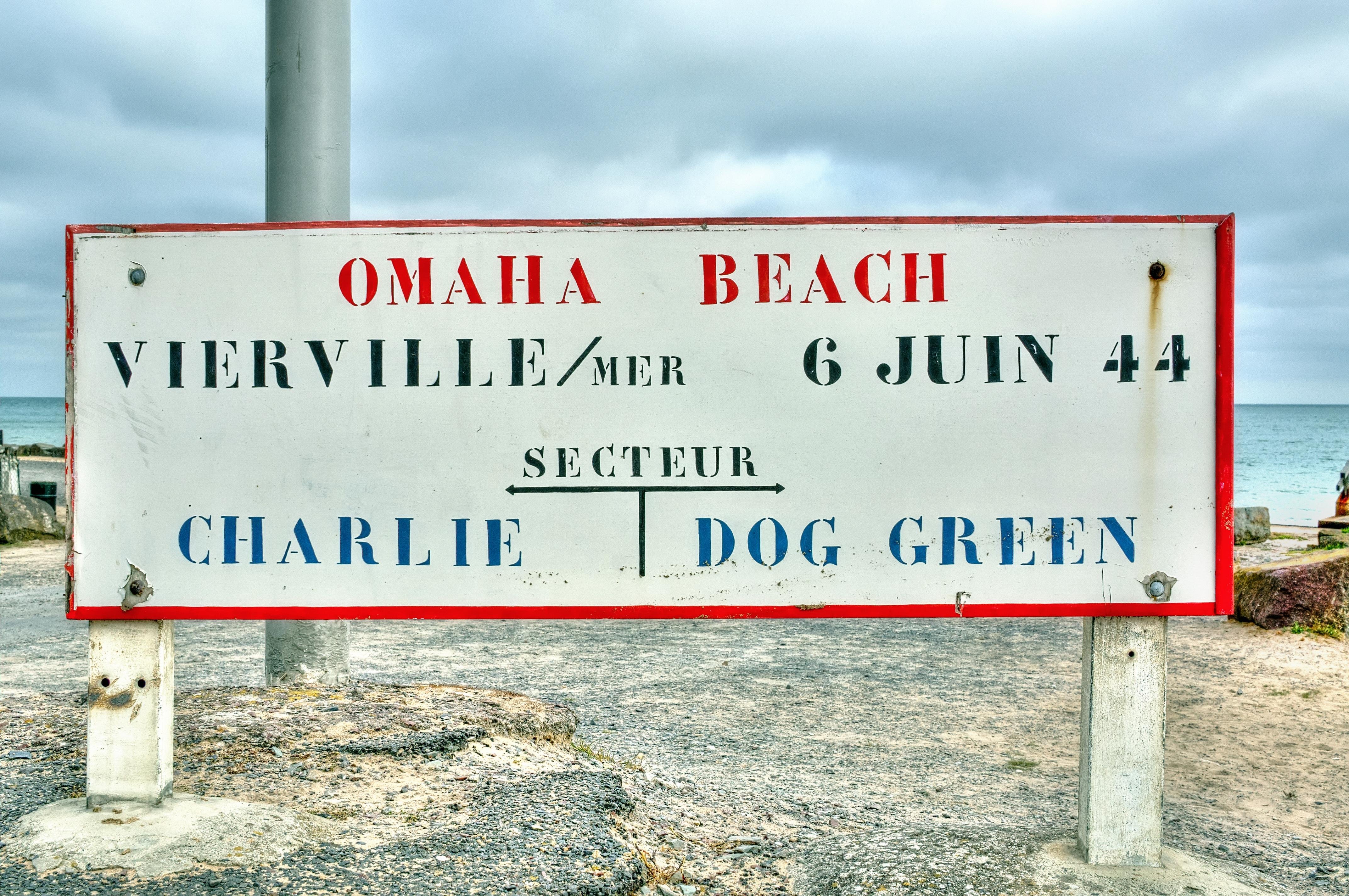
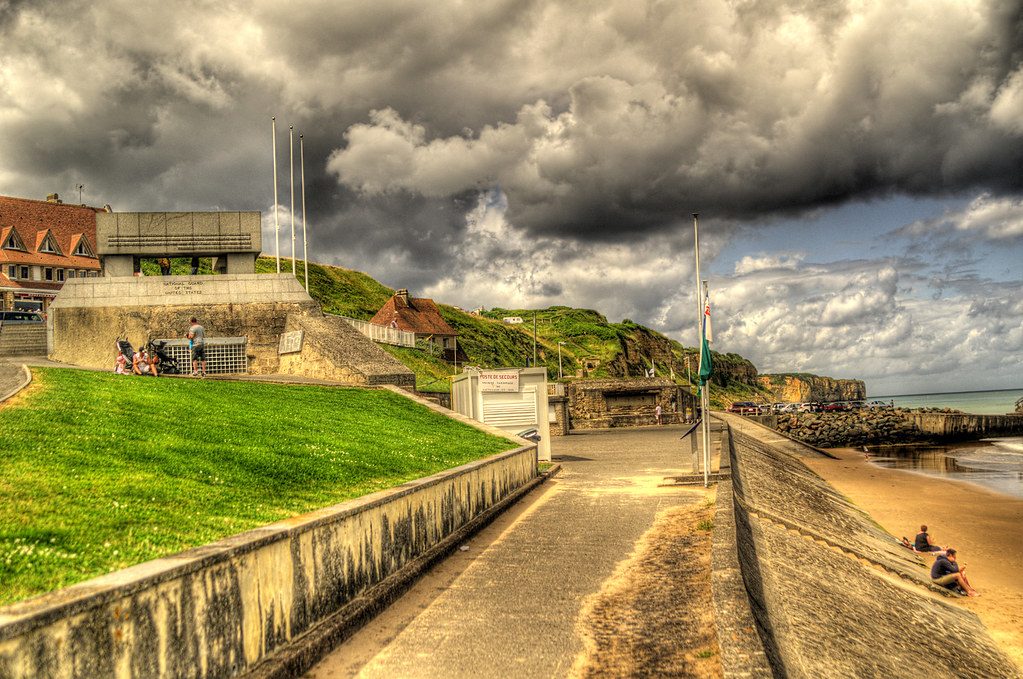
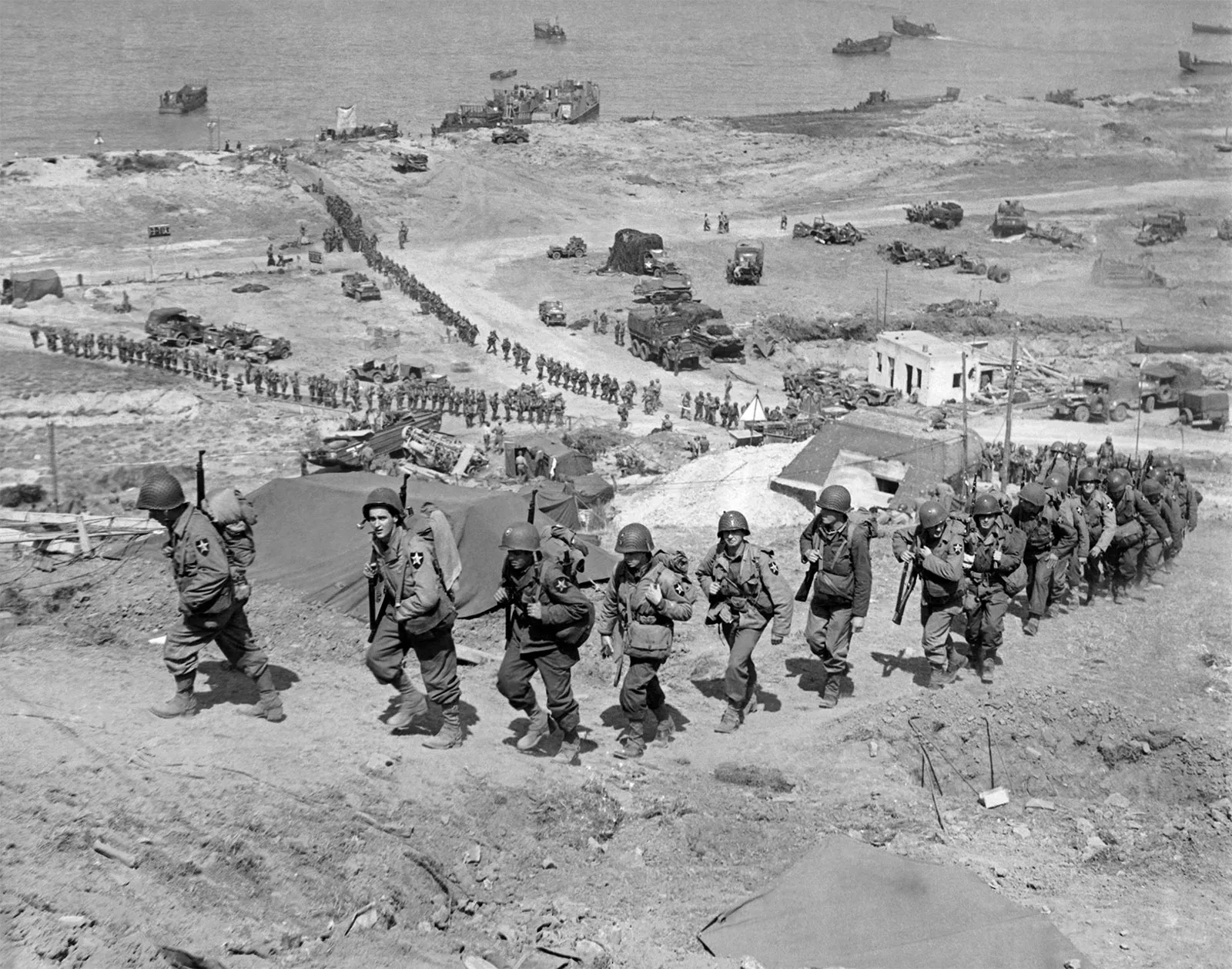
Start at the western end (Dog Green sector) where the first waves landed on June 6, 1944. Orientation panels explain the assault plan.
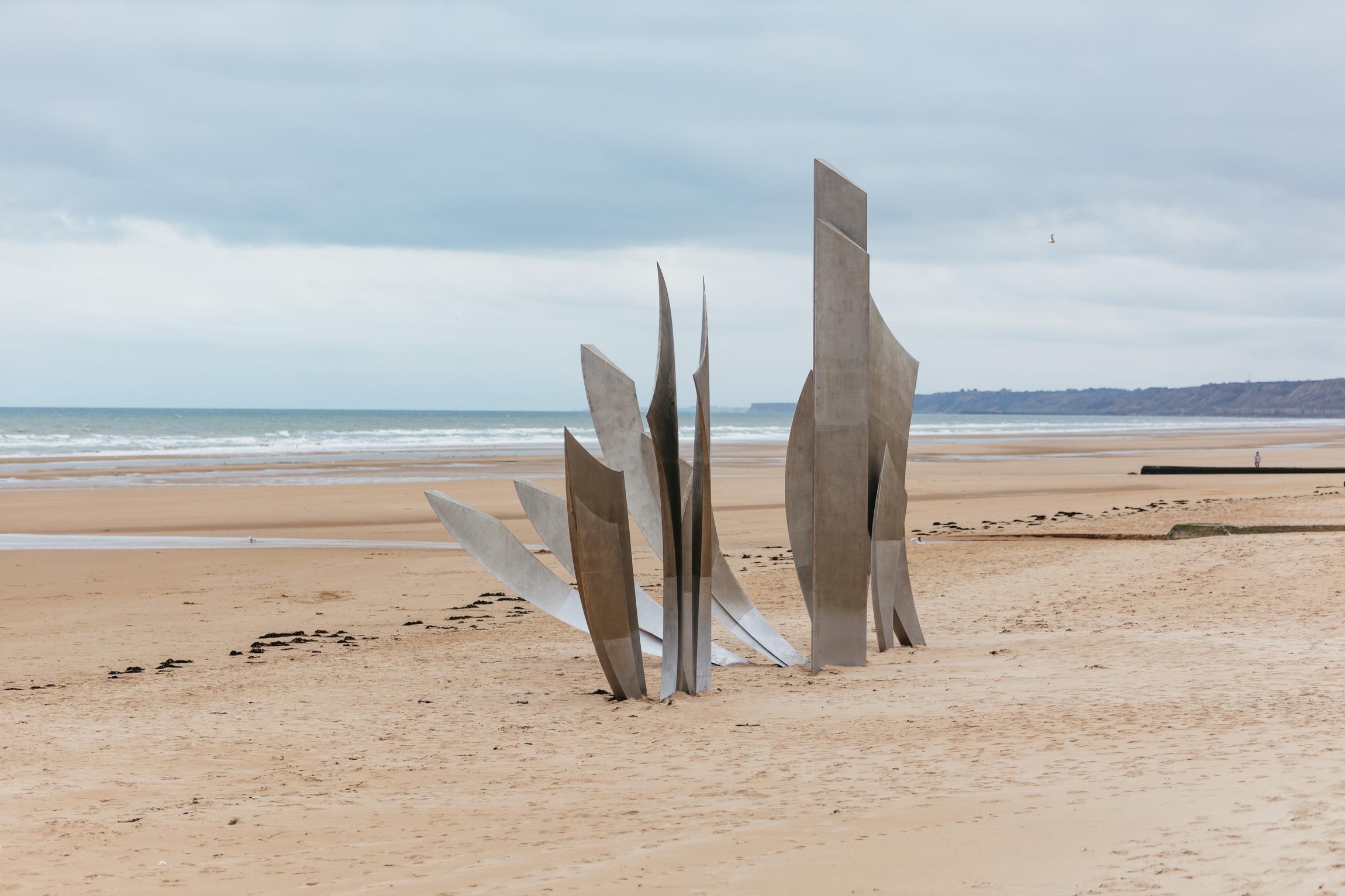
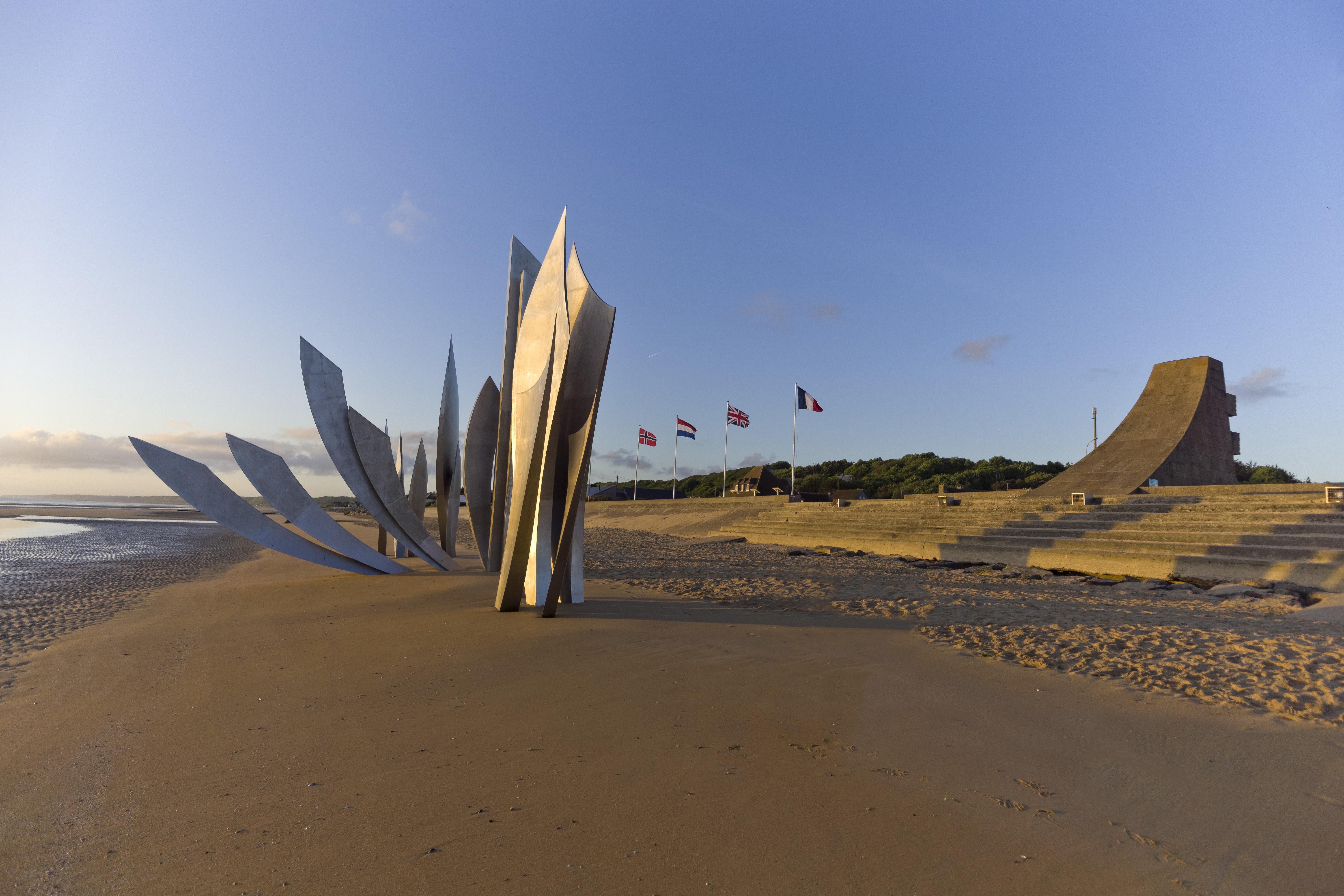
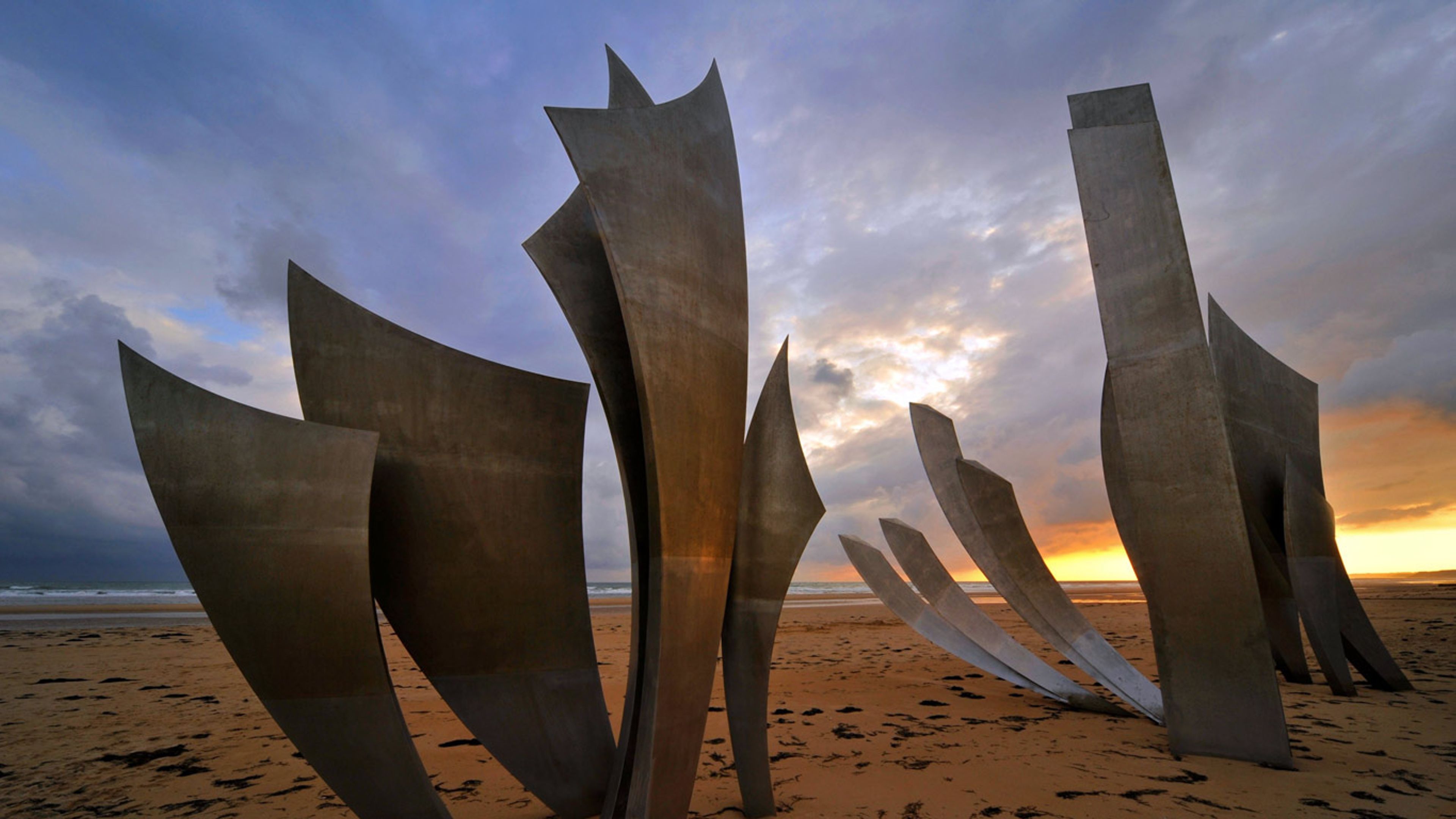
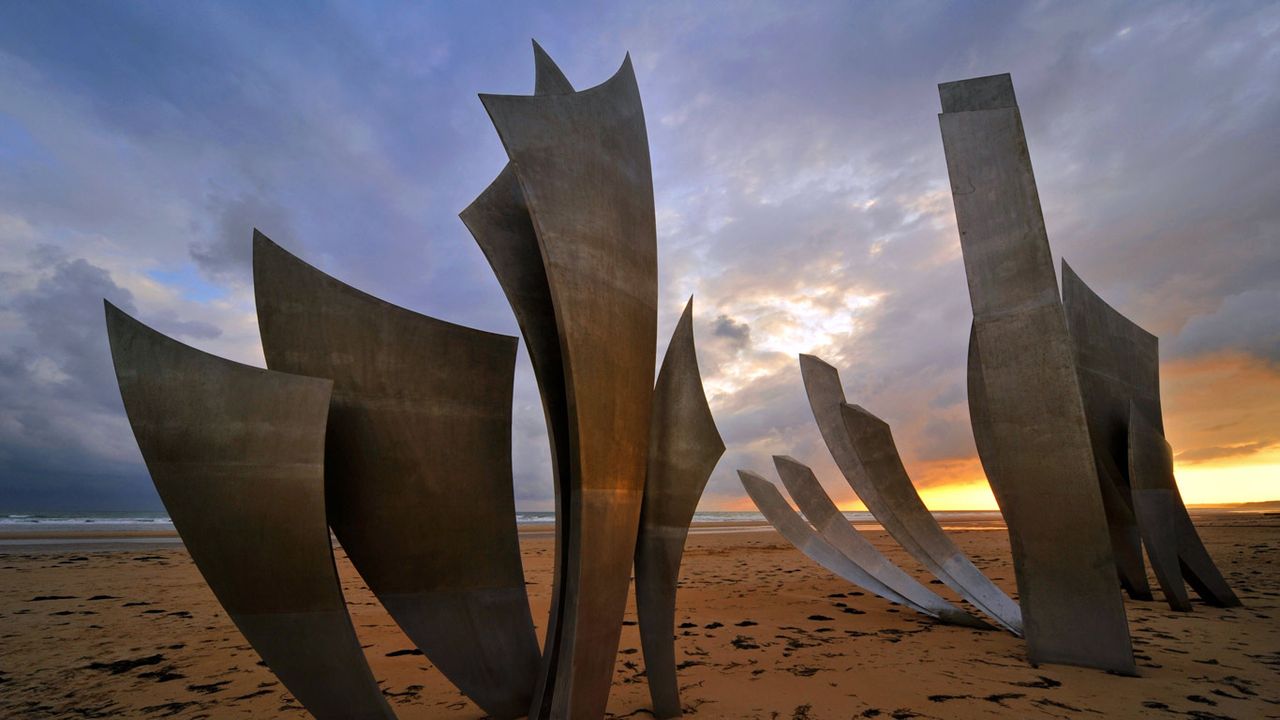
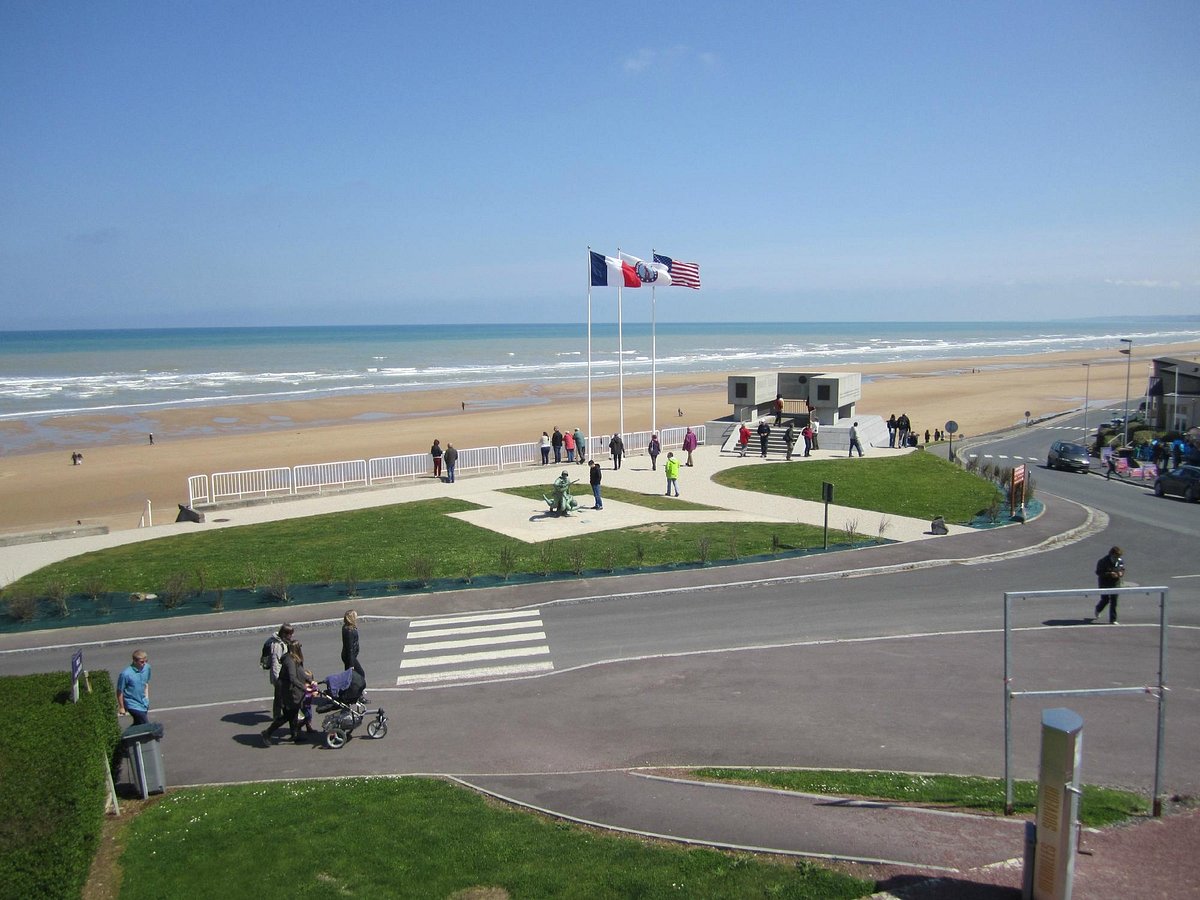
Head east along the sand to the stainless-steel Les Braves sculpture at Saint-Laurent-sur-Mer, erected in 2004 for the 60th anniversary of D-Day.
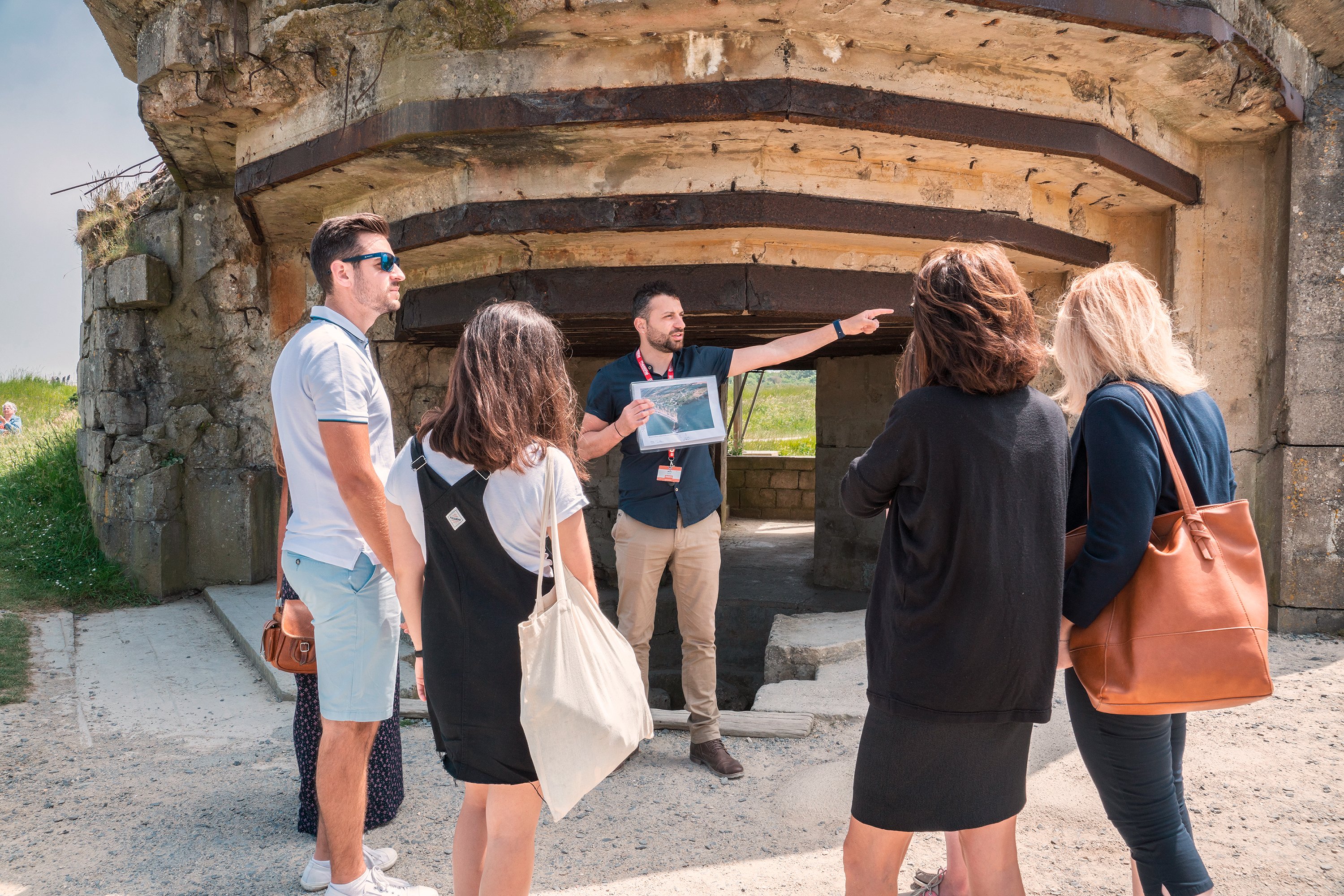
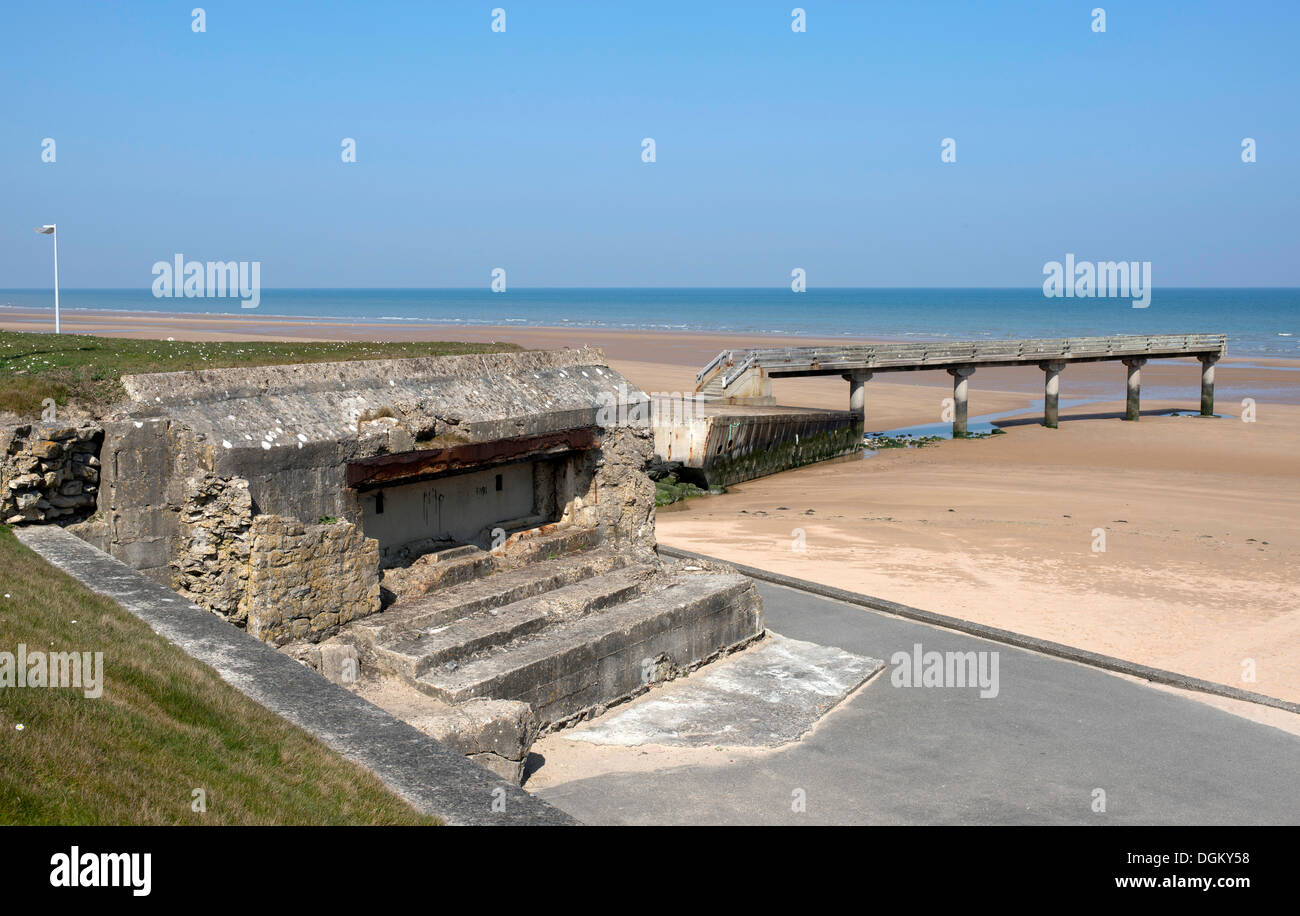
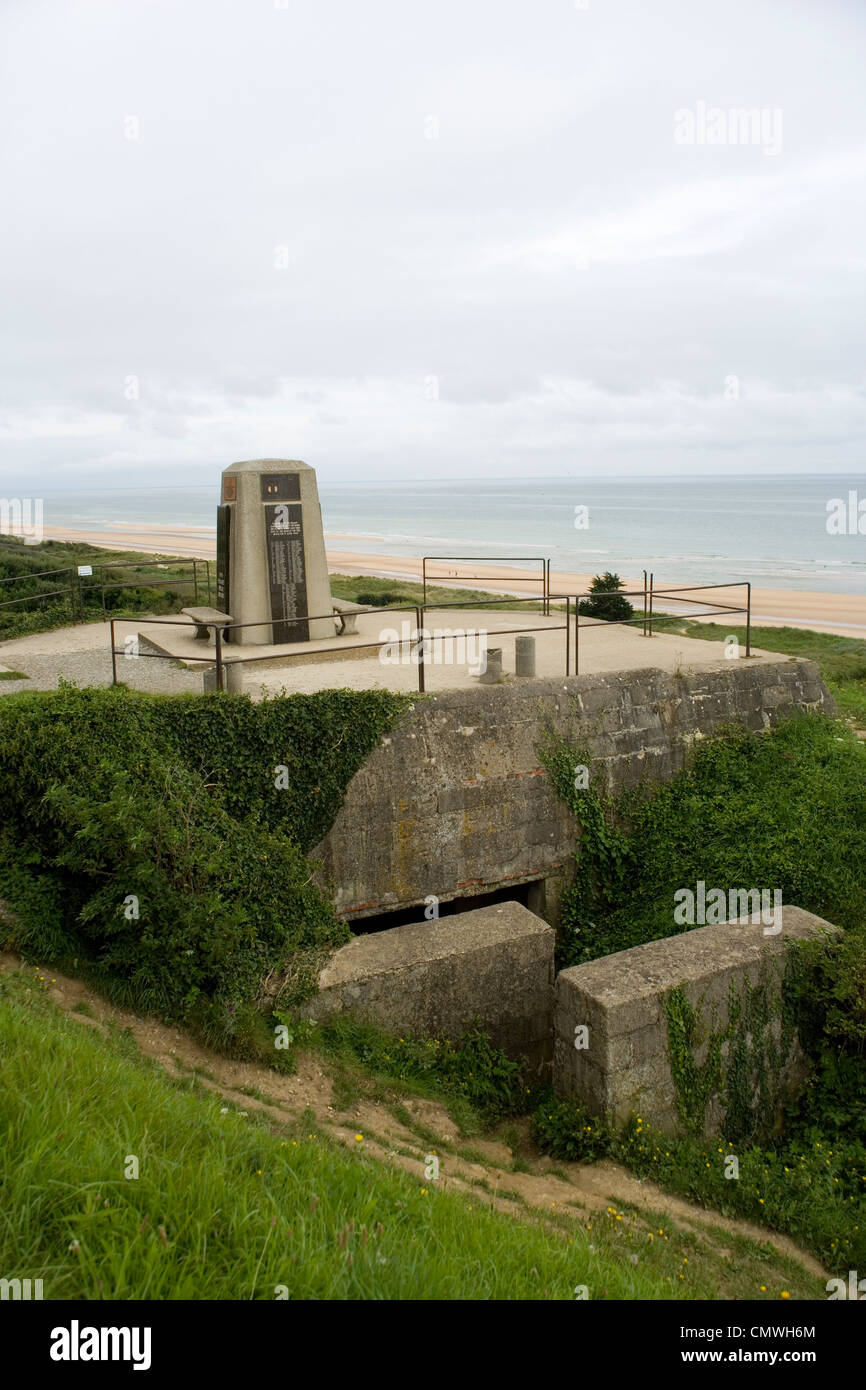
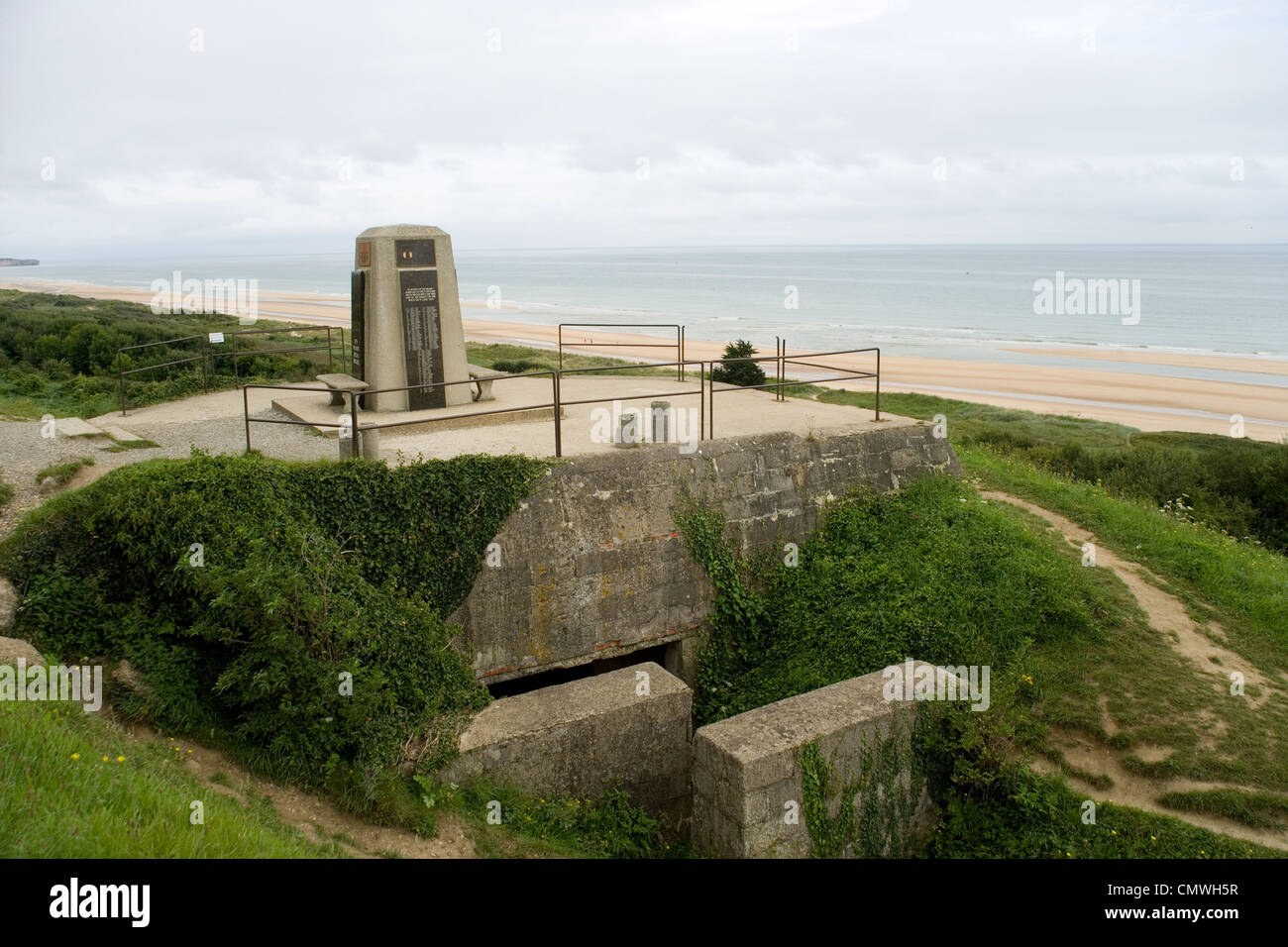
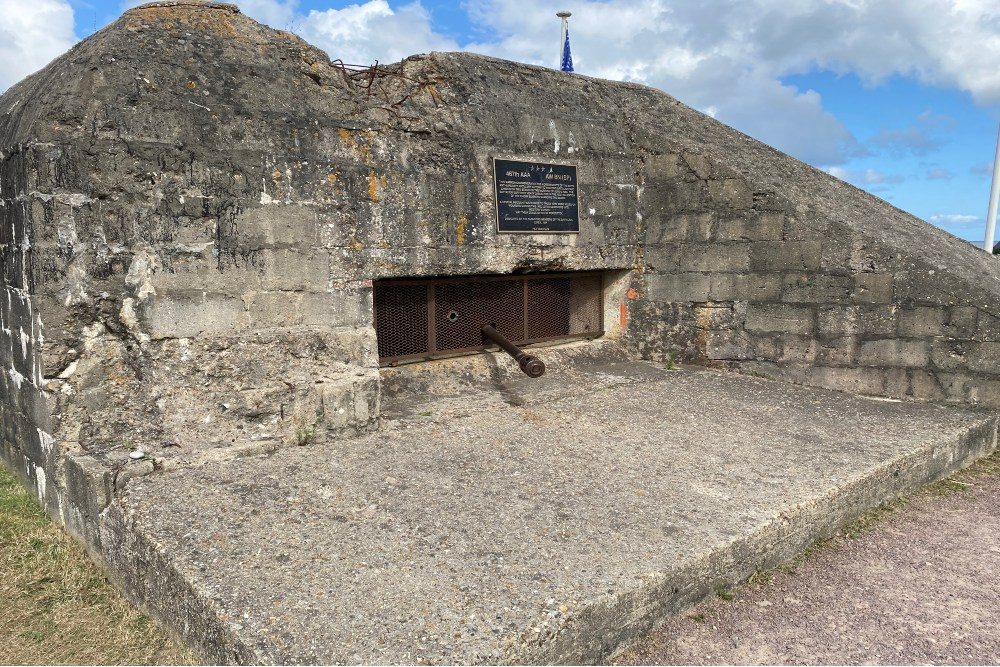
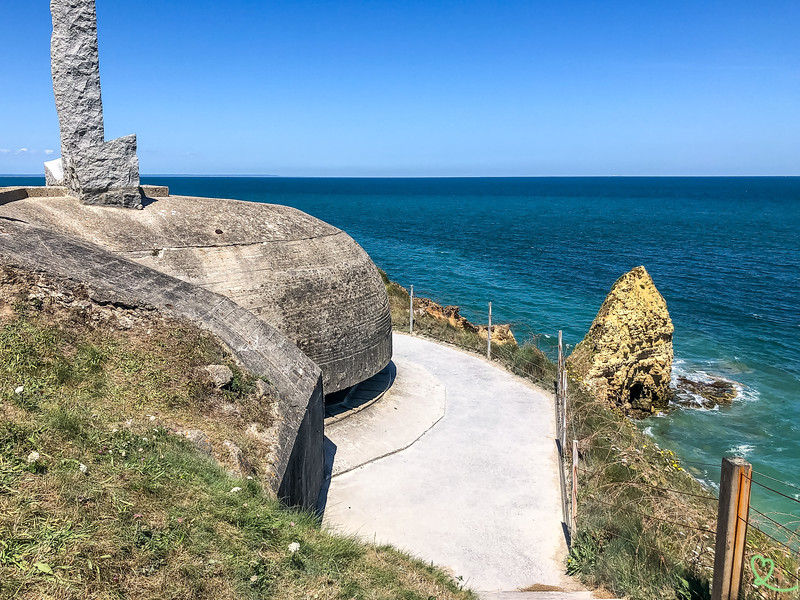
Ascend the path to the German resistance nest WN62, one of the most heavily fortified positions that fired on landing troops. Bunker remains and interpretive signs are intact.
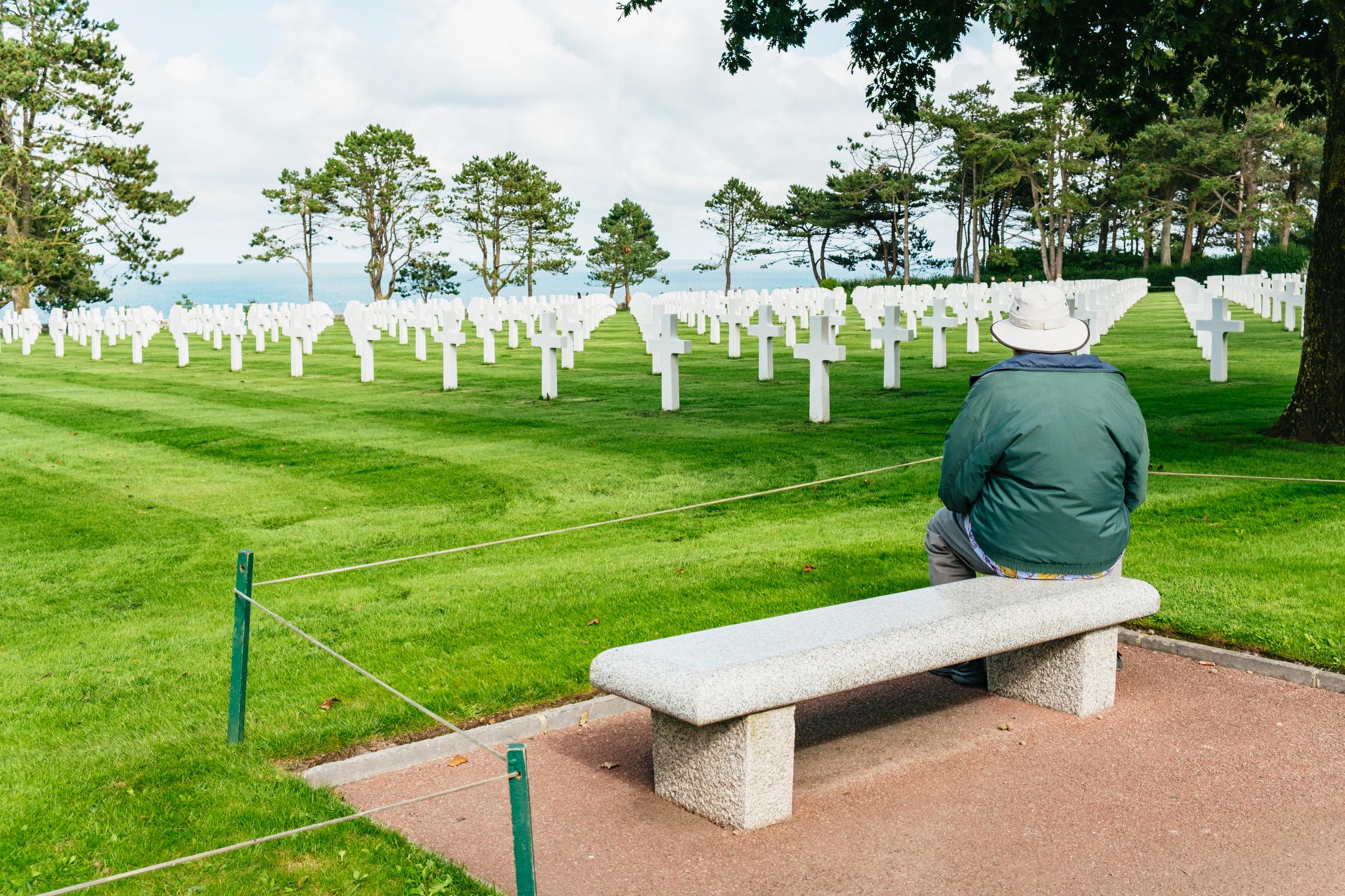
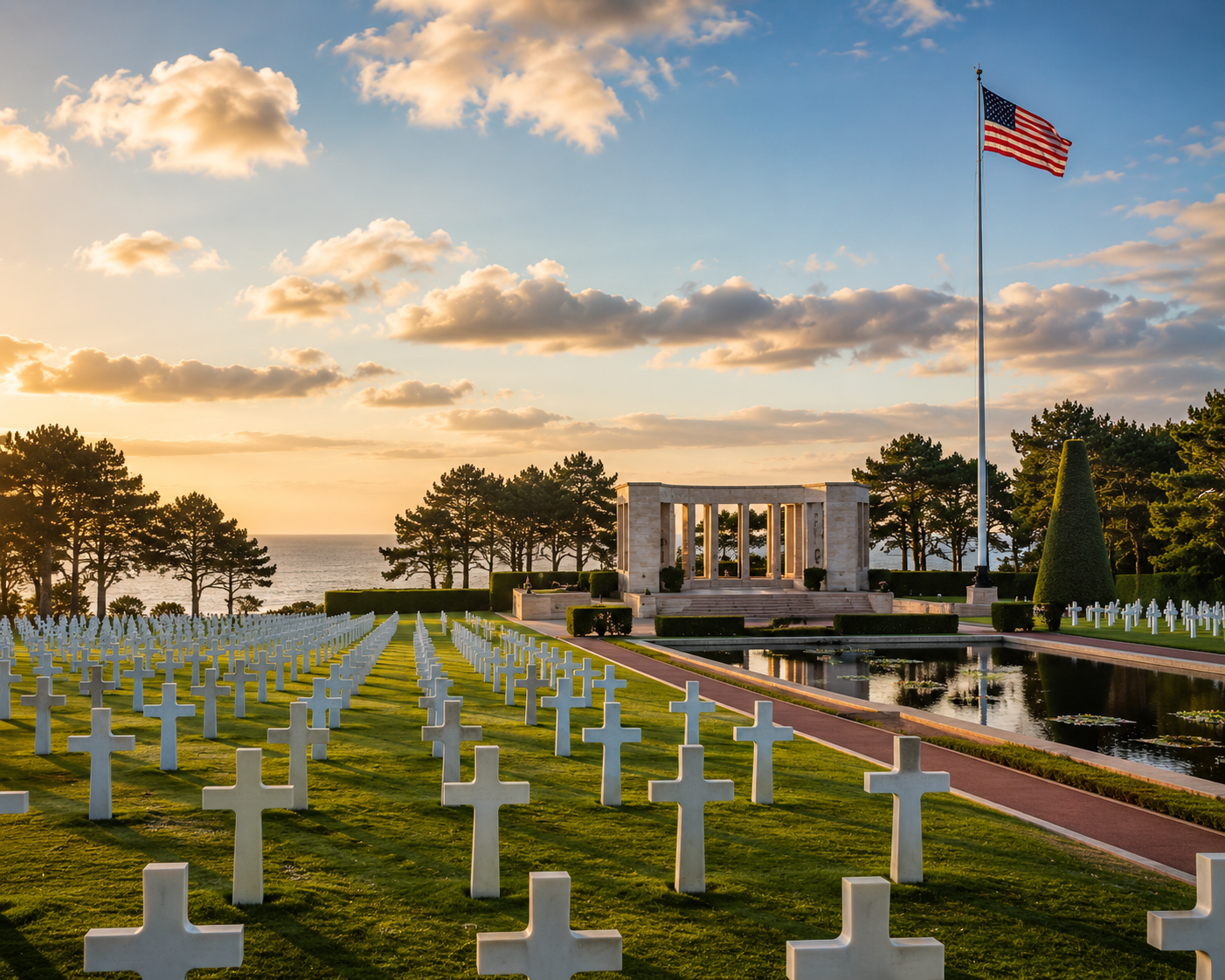
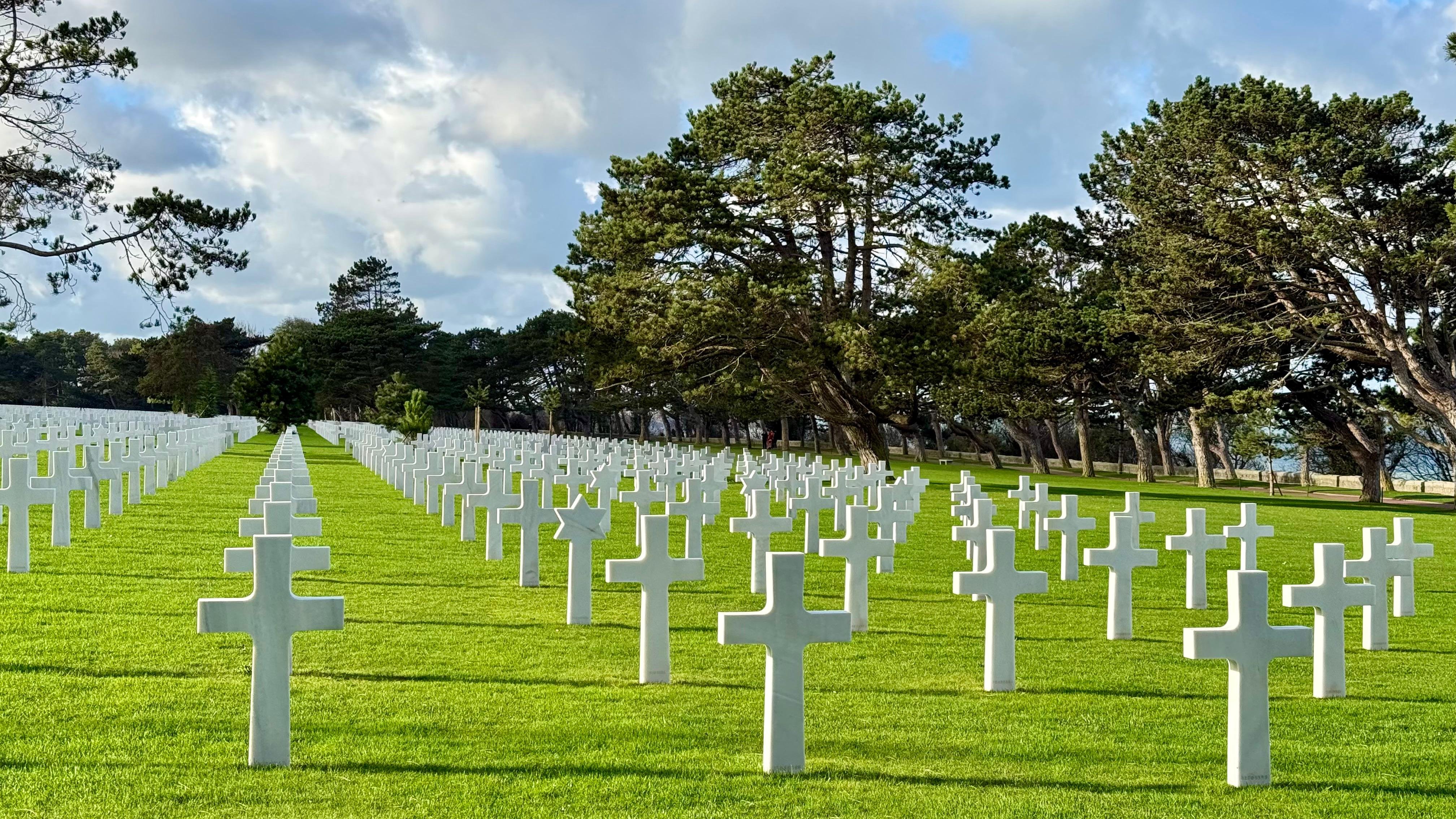
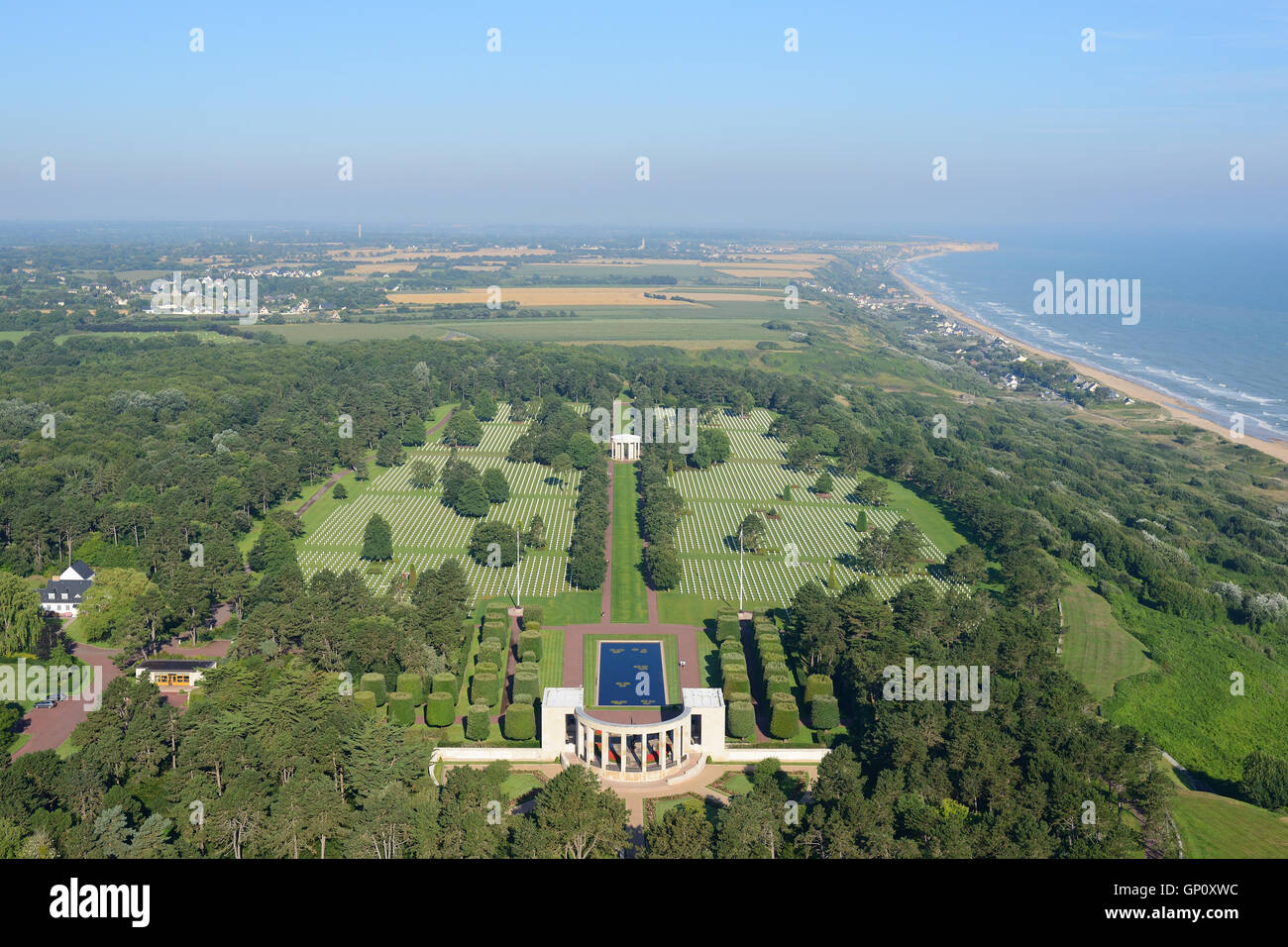
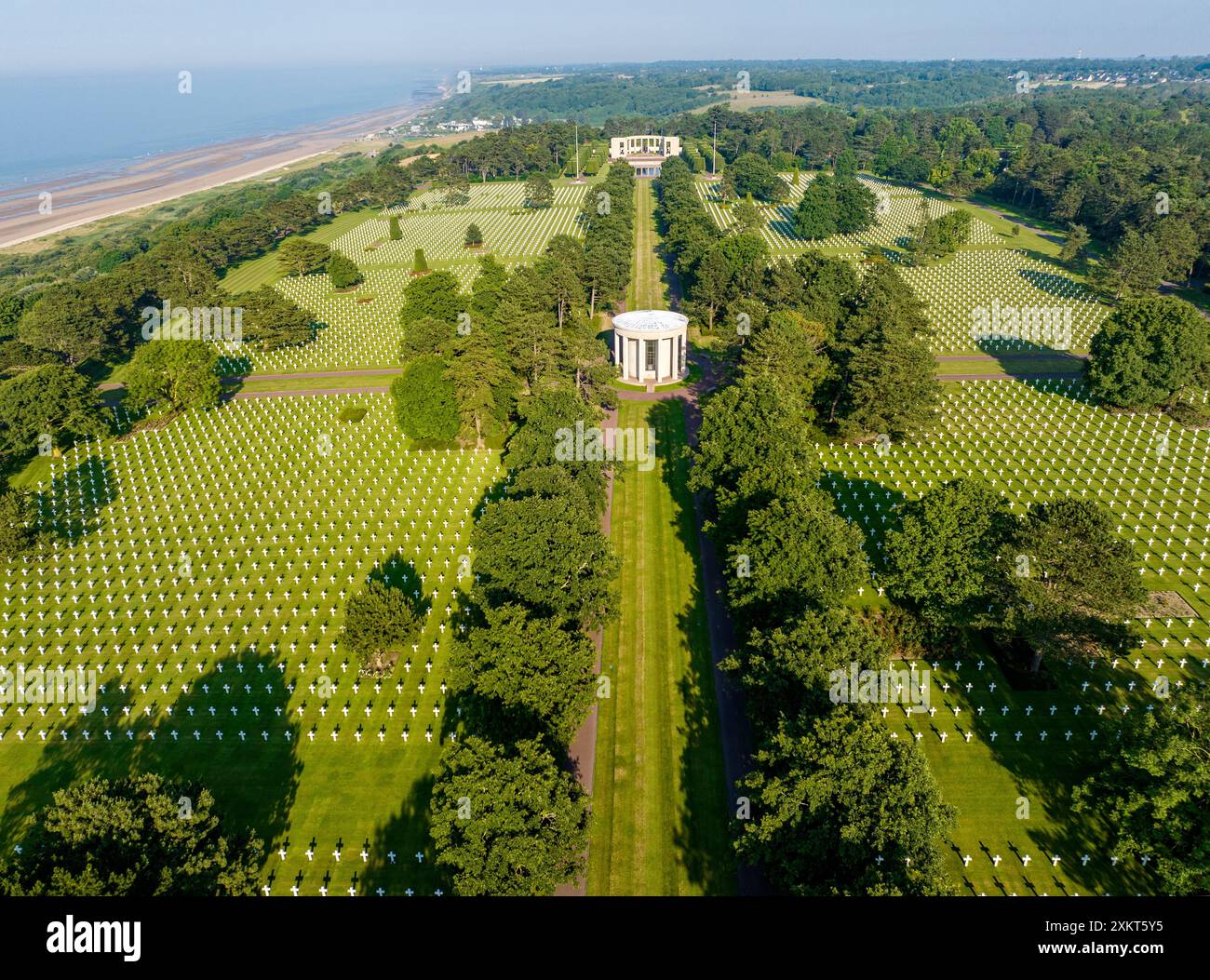
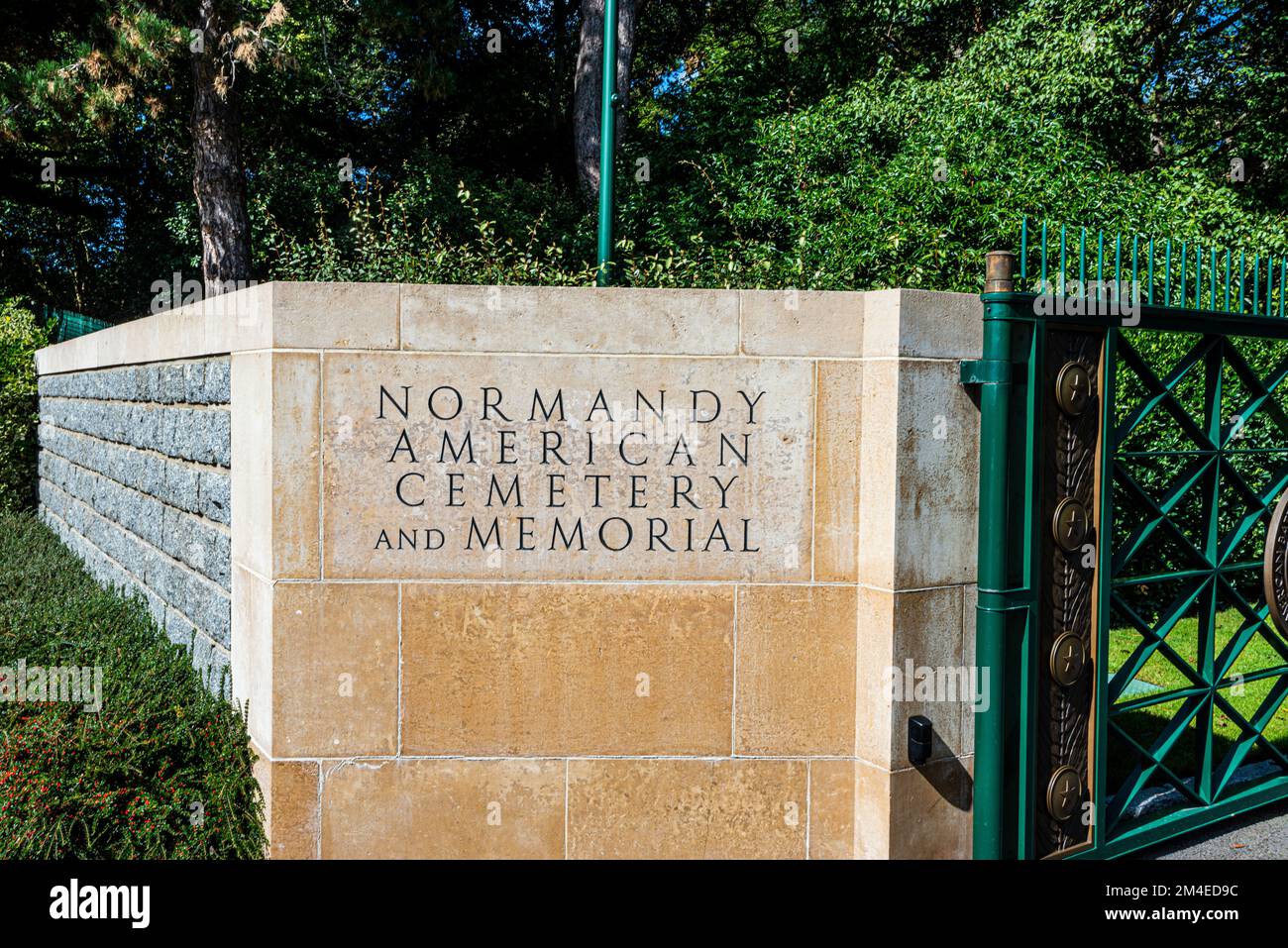
Walk or drive to the cemetery entrance at Colleville-sur-Mer. Visit the visitor center, the memorial colonnade, and the 9,388 white marble headstones overlooking the beach.
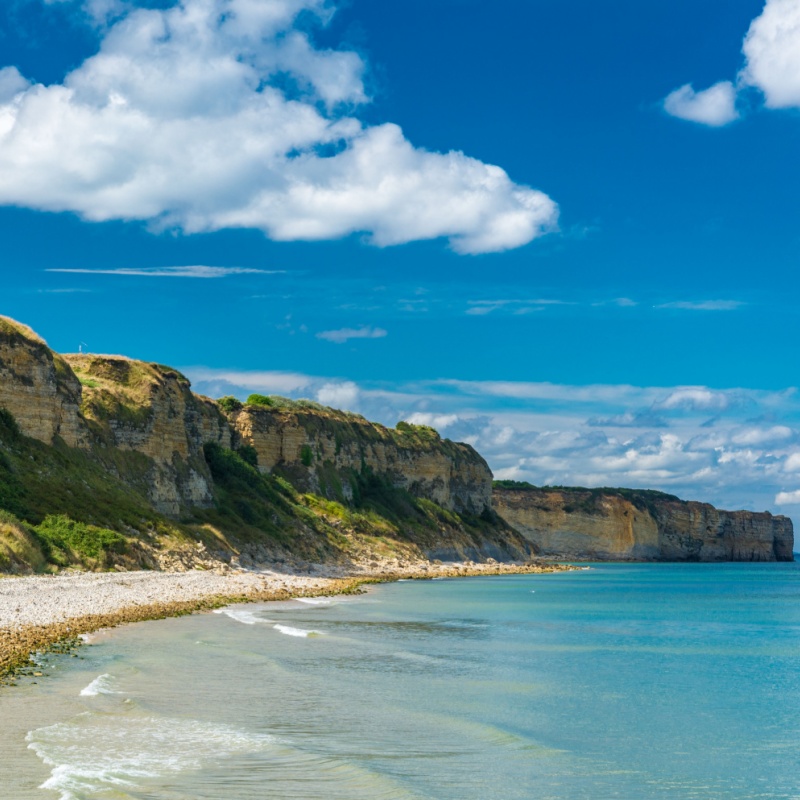
Follow the clifftop trail back west for panoramic views of the landing beach and the English Channel.
All the details about your upcoming adventure in one place
Omaha Beach marks the Normandy coastline where Allied forces stormed ashore on June 6, 1944, in the largest amphibious assault in history. Towering bluffs, German bunker remains, and the nearby American Cemetery at Colleville-sur-Mer bring the scale of the D-Day landings into sharp focus. Expert-led Omaha Beach tours connect these Normandy invasion beaches with firsthand accounts of the battle, so reserve Omaha Beach tickets early to secure your preferred date.
On June 6, 1944, roughly 34,000 troops of the U.S. 1st and 29th Infantry Divisions stormed a six-kilometre crescent of sand code-named Omaha Beach.
German fortifications along the bluffs at Vierville-sur-Mer made it the deadliest of the five Normandy landing sectors — over 2,000 Americans fell before the draws were secured by nightfall.
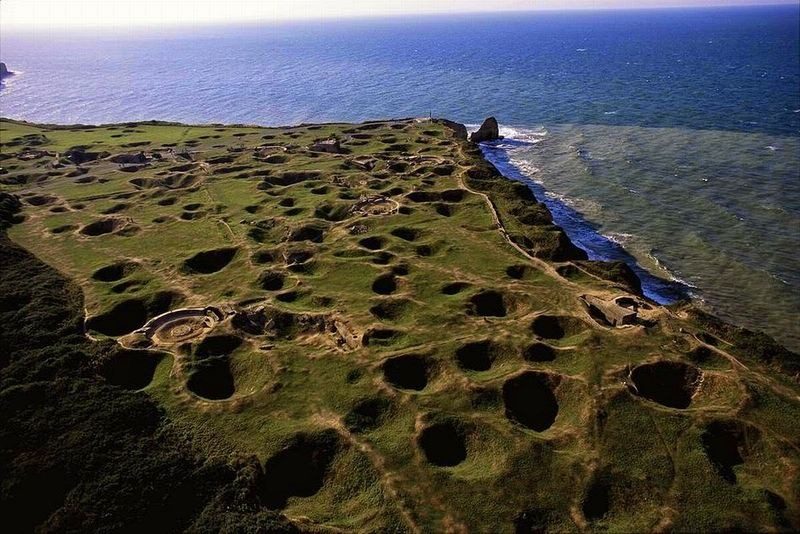
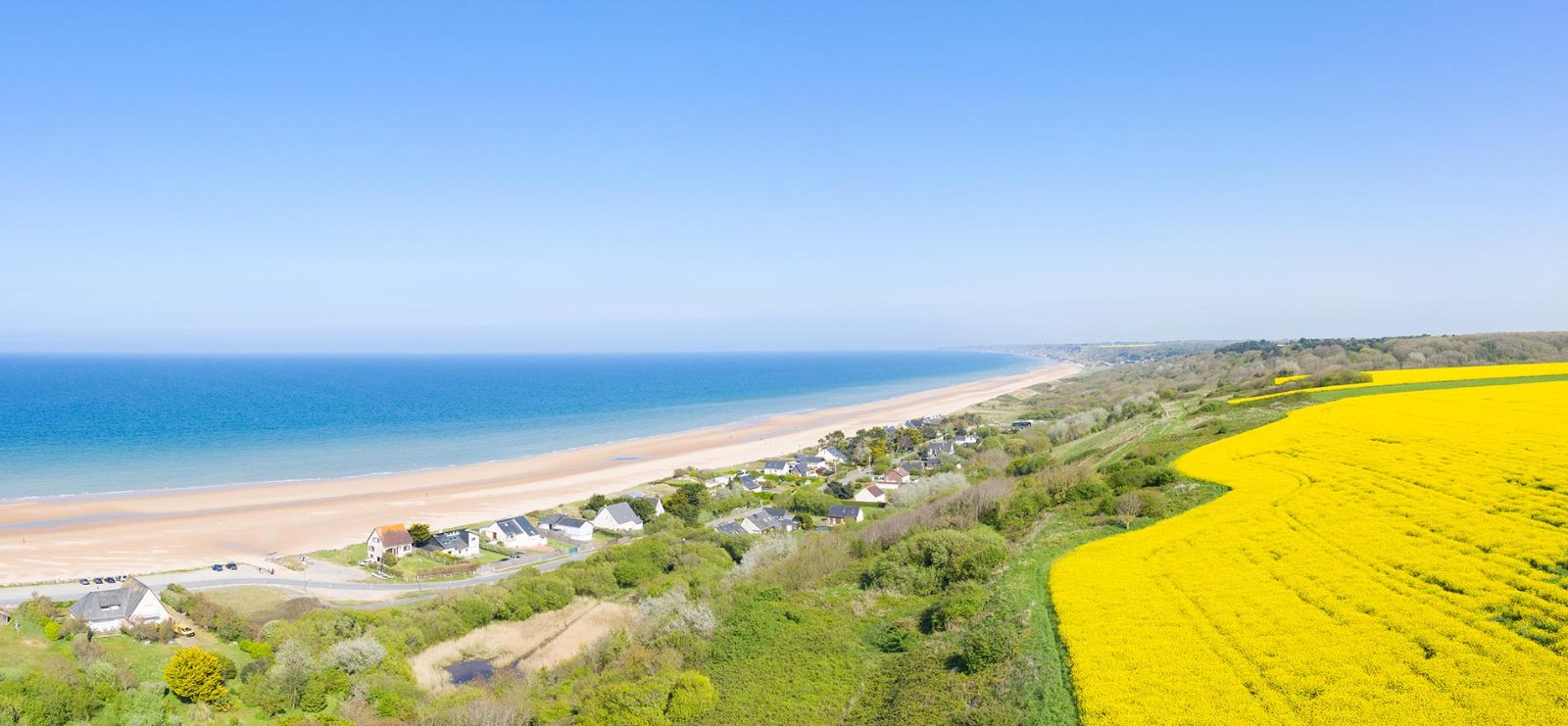
Today the shoreline sits quiet beneath chalk-white cliffs, its bunkers half-buried in dune grass. An Omaha Beach private tour lets visitors trace the assault path to the American Cemetery at Colleville-sur-Mer, where 9,388 white crosses face west toward home. A private tour Omaha Beach Normandy pairs the sand with Pointe du Hoc's cratered clifftop, while a paris to omaha beach day trip covers the 280-kilometre route in under four hours — context no textbook replicates. Omaha Beach tickets for half-day and full-day itineraries remain available through spring 2026.

There is no dress code. Wear layered clothing suitable for the Normandy coast — wind and rain can arrive quickly even in spring and summer. Sturdy walking shoes or boots are recommended for traversing sand and the bluff paths above the beach.
No bag restrictions or security screening apply on the beach itself. The adjacent Normandy American Cemetery has light security at its visitor center entrance; large backpacks may be checked. Keep valuables secure in your vehicle as car parks are unattended.
Photography and videography are permitted everywhere on the beach and at the outdoor memorials. Inside the Normandy American Cemetery visitor center, flash photography is discouraged. Drone flights require prior authorization from the French civil aviation authority (DGAC) and are generally prohibited over the cemetery grounds.
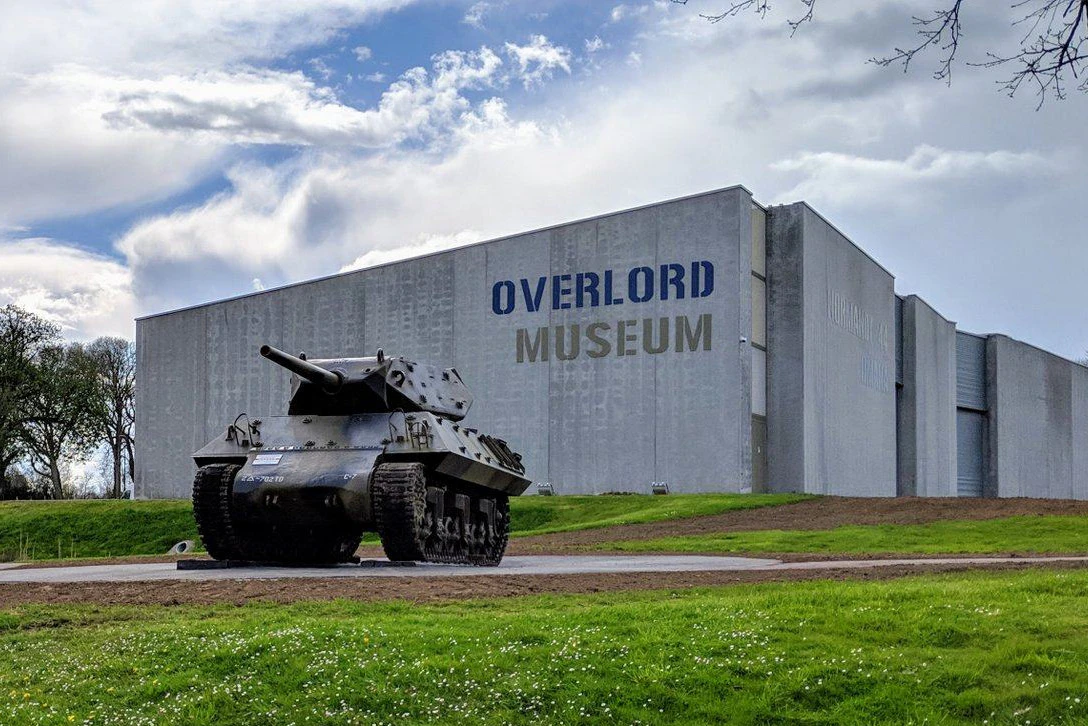
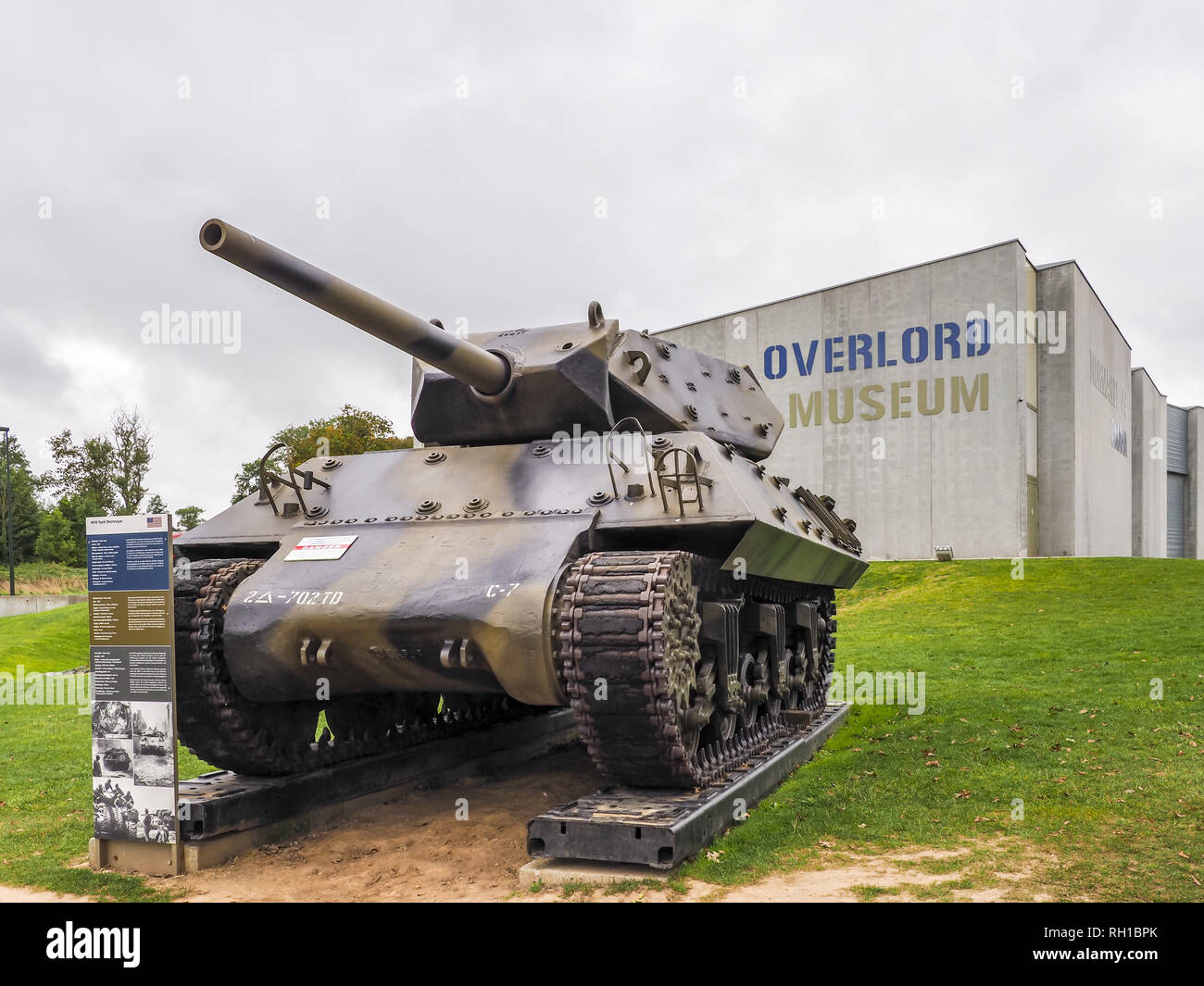
Children of all ages are welcome. The wide, flat beach is safe for supervised play at low tide. Interpretive panels along the bluffs provide age-appropriate historical context. The Overlord Museum and Normandy American Cemetery visitor center offer educational exhibits suitable for older children.
Paved pathways connect the main car parks at Vierville-sur-Mer and Saint-Laurent-sur-Mer to memorial monuments. Wheelchair users can reach Les Braves sculpture via a boardwalk section, though soft sand limits access closer to the waterline. The Normandy American Cemetery is fully accessible with paved paths and an elevator in the visitor center.
There are no concession stands on the beach itself. Cafés and restaurants operate in Vierville-sur-Mer and Saint-Laurent-sur-Mer, a short walk from the main car parks. Bring water and snacks if you plan an extended walk along the 6 km stretch of sand. Picnicking is permitted on grassy areas above the bluffs.
Peak visitor day
Omaha Beach is a public site with free, unrestricted access — no tickets or reservations are required. Guided Normandy D-Day tour operators typically offer full refunds if cancelled 24–48 hours in advance; check individual provider terms.
| Option | Skip-the-line | Guide | Free cancellation | Price |
|---|---|---|---|---|
|
Skip-the-line
|
— | €235 | ||
|
Standard Entry
|
— | — | €150 | |
|
Guided Experience
2 hr
|
— | €435 |
Weather · crowds · average price — dots go green to amber to red as each metric rises.
Real experiences from real travelers
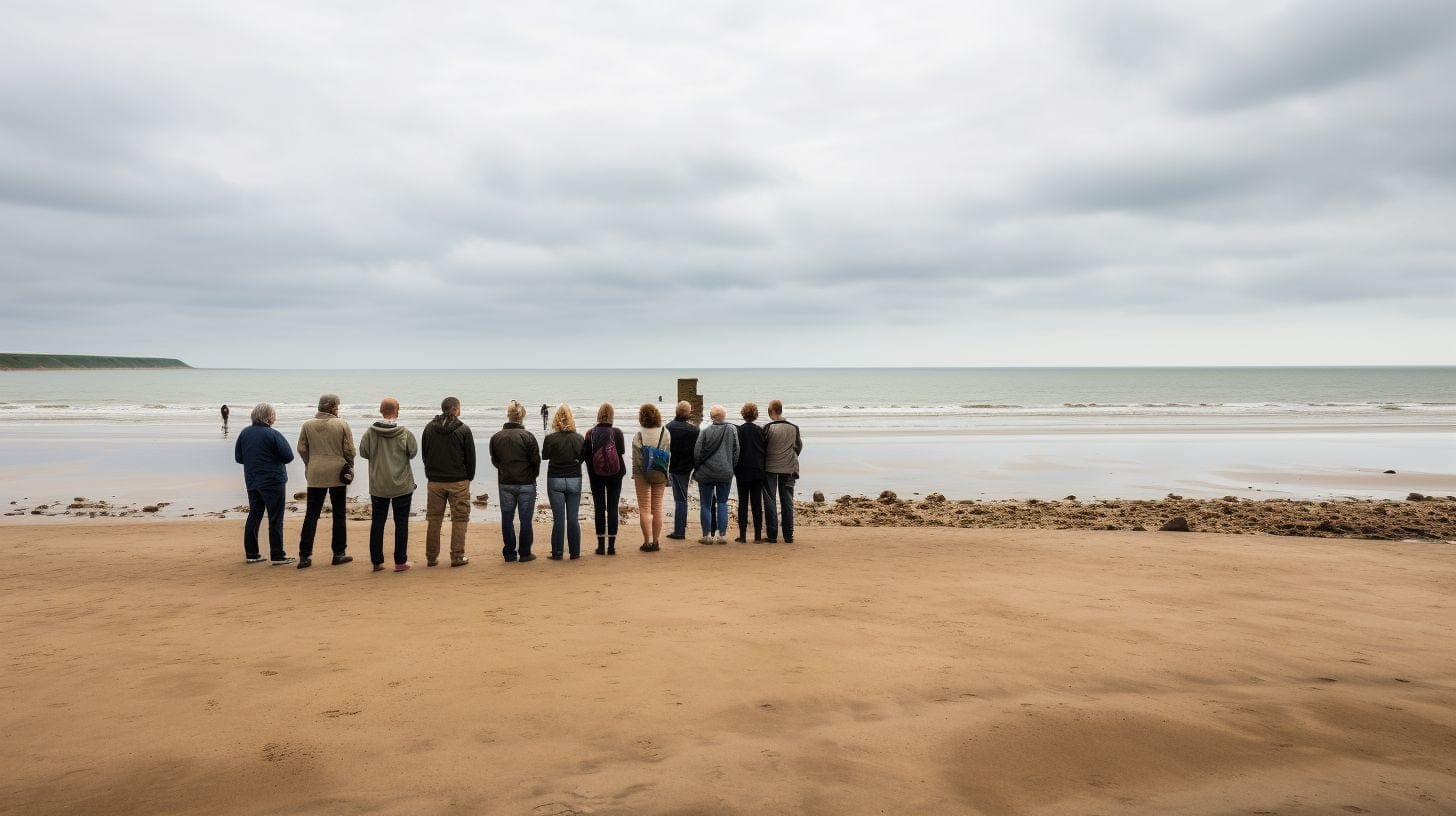
We spent a full morning walking the sand at Omaha Beach and the silence was overwhelming. The tide was out, exposing hundreds of meters of flat shore where Allied soldiers once landed under fire. Standing at the waterline looking up at the bluffs gave me chills I still feel weeks later. Booking Omaha Beach tickets in advance saved us time at the memorial center.
I have visited the Normandy D-Day beaches many times, but each visit carries new weight. The wind off the Channel was cold in early March and the sand was firm underfoot. The interpretive panels along the path to the American Cemetery add helpful context about Operation Overlord.
The beach itself is vast and eerily peaceful in winter. We joined an Omaha Beach tour led by a local historian who explained the Easy Red sector landings in vivid detail. Gray skies and drizzle made the atmosphere even more somber.
We rented a car and drove from Paris specifically for this site. The scale of the tidal flat is hard to grasp until you stand on it. Our guide pointed out where the beach obstacles once stood and described the first wave of June 6, 1944. A profoundly educational day.
Walking along the D-Day landing shore at Colleville-sur-Mer was the most emotional moment of our Europe trip. The memorial museum nearby provides excellent context before you step onto the sand. I recommend arriving early to avoid afternoon crowds.
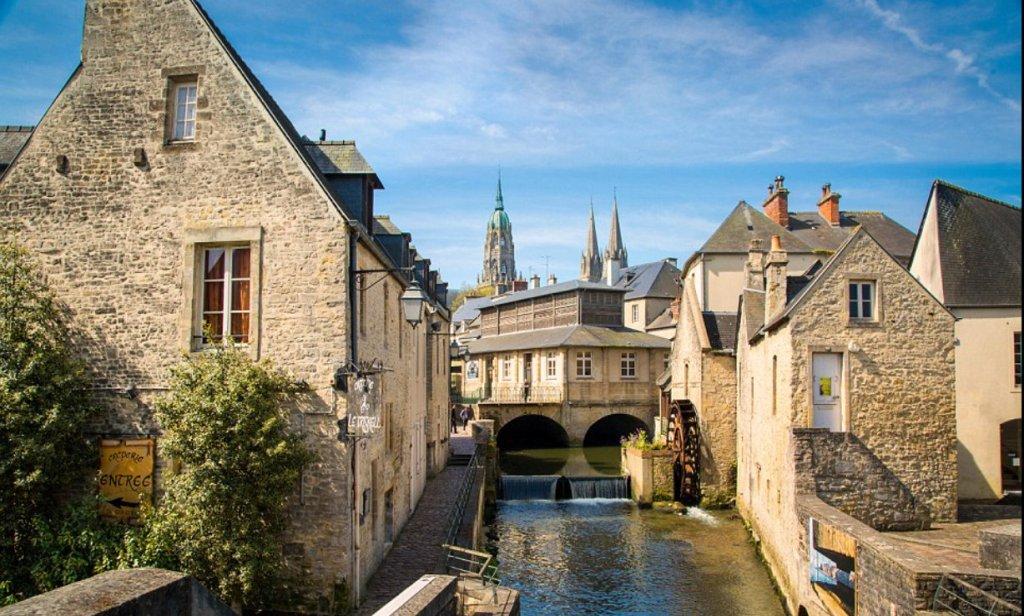
We visited on a Tuesday morning in September and had long stretches of the beach nearly to ourselves. The bluffs still show traces of fortifications and the landscape has barely changed since 1944. Omaha Beach tours from Bayeux are easy to arrange and well worth the cost.
The site is historically significant but we visited in July and it was packed with tour buses. Hard to find a reflective moment. The beach is beautiful in its own right — wide, windswept, and backed by green cliffs — but plan for off-season if you want solitude.
April light on the Normandy coast was soft and golden. We walked the full length of the beach and then climbed to the cemetery above. The rows of white crosses overlooking the Channel are arranged with such precision it takes your breath away quietly. An Omaha Beach tour with a certified guide added layers of understanding we would have missed alone.
The sheer width of the sand at low tide makes you understand the impossible distance soldiers had to cross. We could see Pointe du Hoc in the distance to the west. Even without a guide, the on-site panels and audio stations tell the story clearly. Omaha Beach tickets for the memorial visitor center cost only a few euros and are well worth it.
Everything you need to know for your journey
No. Omaha Beach is a public beach with free, unrestricted access 24 hours a day, 365 days a year. No tickets are needed.
The beach itself is open around the clock. The nearby Normandy American Cemetery visitor center is open daily 09:00–17:00 (extended to 18:00 from mid-April through mid-September).
By car, take the N13 then D514 — about 20 minutes from Bayeux or 45 minutes from Caen. Bus Nomad line 70 connects Bayeux to the coast, though service is limited outside summer.
Paved paths and boardwalk sections connect car parks to the main memorials, including Les Braves. Soft sand limits access near the waterline, but the bluff-top trails and the American Cemetery are fully wheelchair-accessible.
Yes. Photography and video are welcome on the beach and at outdoor monuments. Drones require advance authorization from French aviation authorities and are banned over the cemetery.
Spring (April–May) and early autumn (September–October) offer mild weather and smaller crowds. Early June is atmospheric due to D-Day anniversary events but very busy.
Yes. Several operators run guided Normandy D-Day beach tours departing from Bayeux, Caen, or directly from the Vierville-sur-Mer car park. Half-day and full-day options cover multiple landing beaches and key sites.
Free car parks are located at Vierville-sur-Mer, Saint-Laurent-sur-Mer, and near the Normandy American Cemetery at Colleville-sur-Mer. They fill quickly on summer weekends and around June 6.
Absolutely. The beach is safe for supervised children, and interpretive panels along the bluffs provide historical context suitable for school-age visitors. The cemetery visitor center has educational displays.
Dress in layers with a windproof outer jacket. Sturdy shoes are recommended for walking on sand and climbing bluff paths. There is no formal dress code.
Leashed dogs are permitted outside the peak summer bathing season (July–August restrictions apply in designated swimming zones). Always clean up after your pet near memorial areas.
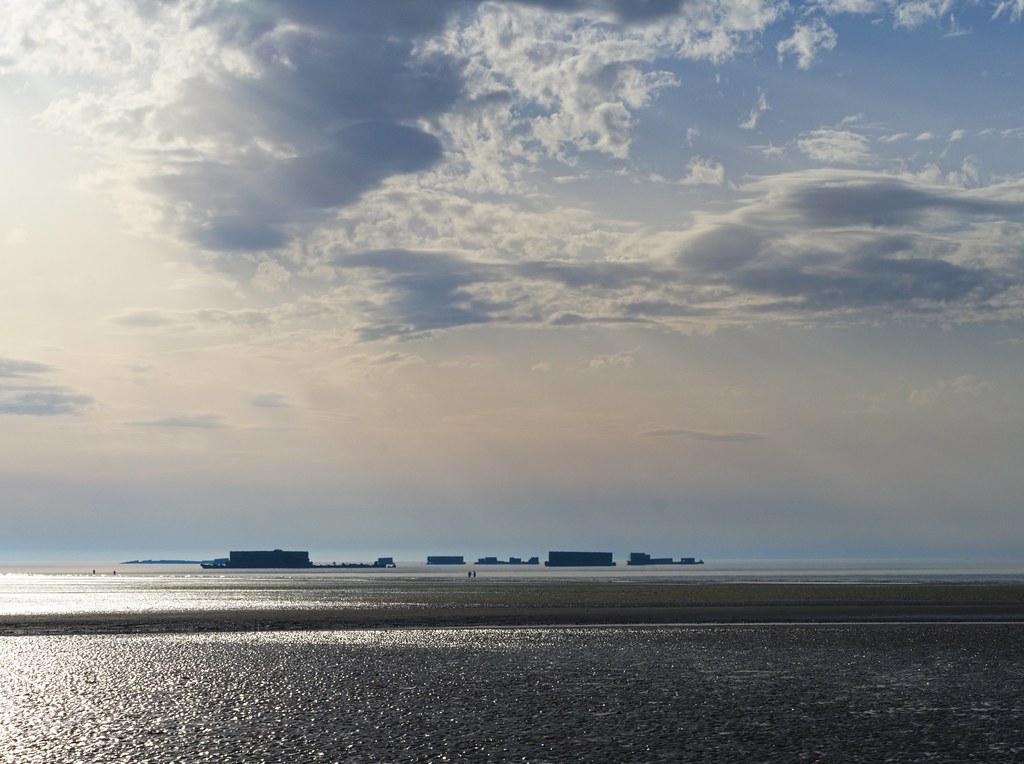
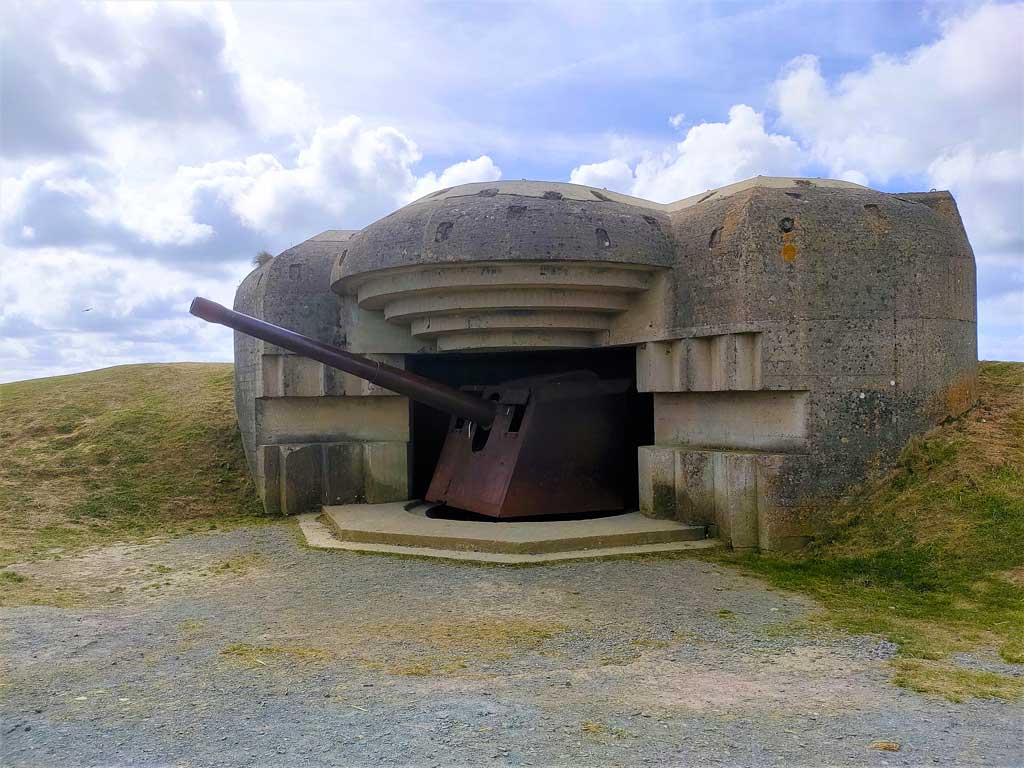
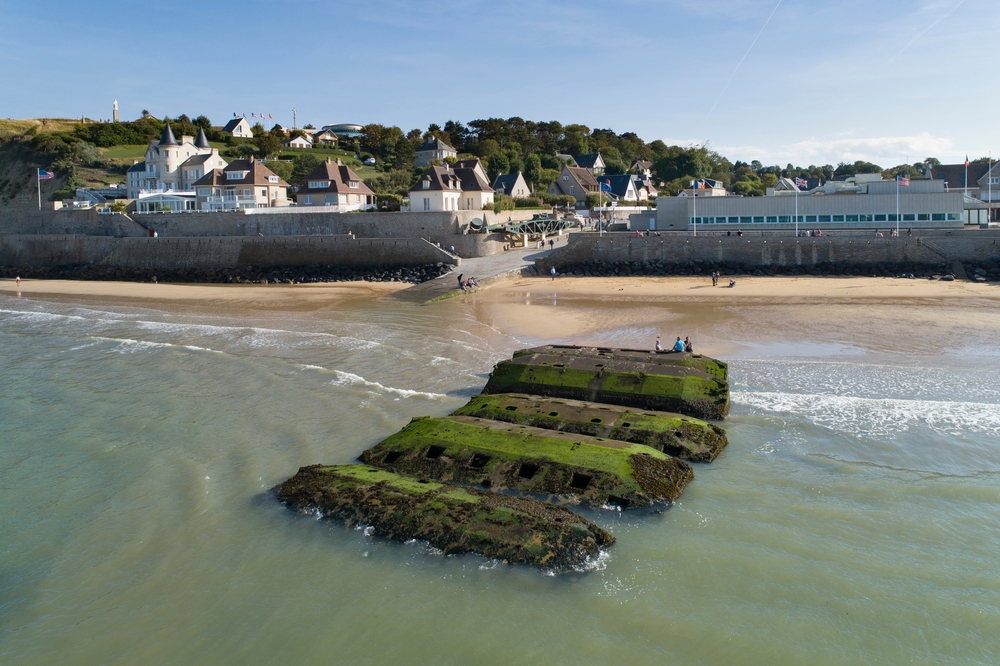
Pointe du Hoc (10 min drive), Longues-sur-Mer Battery (12 min), Arromanches Mulberry harbour (15 min), and the Normandy American Cemetery (adjacent) all pair well with a visit to the landing beach.
8h
8h
7h
Join thousands of happy travelers who have discovered this incredible experience
Book Your Experience Now